On September 12, 2025, China announced a sweeping arbitration reform: enshrining the concept of seat of arbitration, introducing modern technology, empowering arbitrators, speeding up the procedure and harmonizing with international norms. The question arises: is this really a new era of Chinese arbitration or just a cosmetic overhaul of the outdated arbitration architecture?
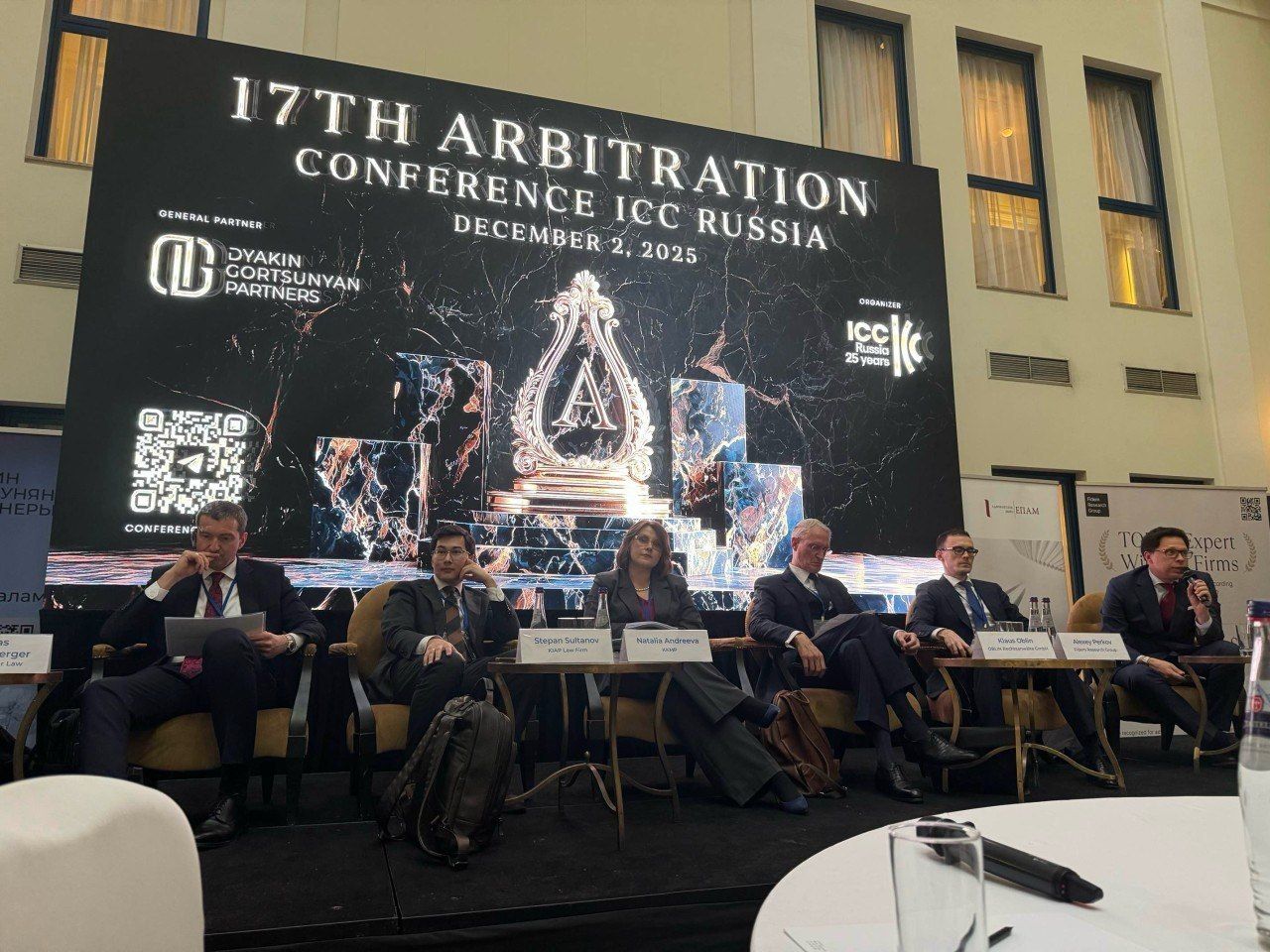
Natalia positively assessed the results of the reform from the perspective of a Russian lawyer involved in arbitrations in the PRC, although she noted a number of outdated provisions, including limited recognition of the competence-competence principle and the inability of arbitrators to take interim measures on their own.
Natalia also spoke about KKMP's experience in Chinese arbitration institutions and shared the current practice of recognition and enforcement of Russian arbitral awards in the PRC. In particular, she noted that the percentage of recognition and enforcement of foreign arbitral awards in the PRC is very high due to the reporting system in place in the PRC: a mid-level People's Court of the PRC cannot independently issue a decision to refuse to enforce an arbitral award without receiving confirmation from higher courts.