Today, the analytical portal Pravo.ru published its international digest for May, one of the topics of which was the transfer of a dispute to the Russian Federation at the initiative of a foreign counterparty.
The Finnish company TM System Finland Oy filed a lawsuit with the Arbitration Court of St. Petersburg and the Leningrad Region, seeking to recover more than 33 million rubles from the Russian Ilim Group (Case No. A56-48889/2026). The dispute arose from a supply contract: the Finnish company delivered goods to its Russian counterparty, which failed to pay the final 10% of the purchase price. The parties had initially agreed to resolve disputes at the Swiss Arbitration Center. The court initially dismissed the claim because the plaintiff had not paid the state fee, but on June 3, the claim was accepted for consideration.
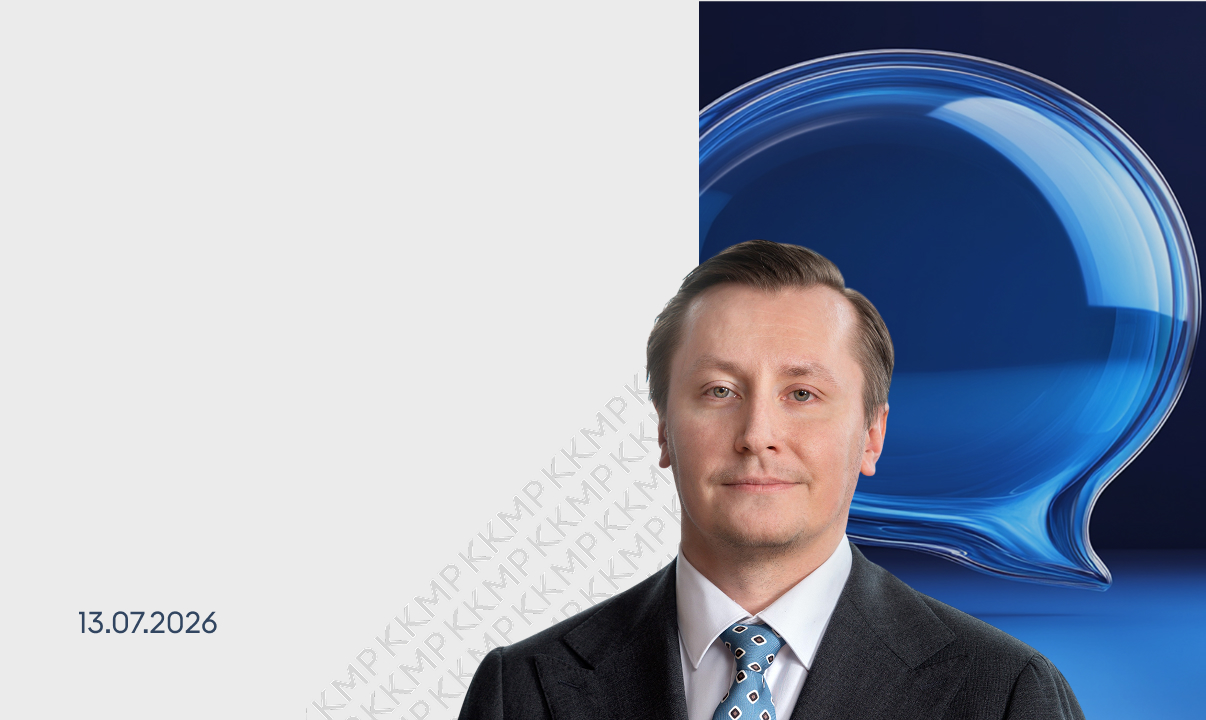
According to KKMP partner Stanislav Dobshevich, the Finnish company chose this particular strategy because arbitration in Switzerland might prove less favorable for it.
First, if foreign proceedings are initiated, Ilim may seek an anti-counterclaim injunction under Article 248.2 of the Arbitration Procedure Code. On the one hand, TM System Finland Oy is not obligated to comply with it, but on the other hand, it could face a fine equal to the amount of the claims.
“This is particularly dangerous if the company has assets in Russia,” explains Stanislav
Second, a foreign arbitral award is unlikely to be enforceable in Russia. And if Ilim also invokes Article 248.1 of the Arbitration Procedure Code and argues that a Russian court has exclusive jurisdiction because the dispute is related to sanctions, enforcement in Russia will be completely ruled out. Courts have already reached this conclusion on multiple occasions (for example, cases No. A40-301718/2022 and No. A60-24839/2024).
At the same time, the prospects for such a lawsuit remain unclear. The Russian court will first need to determine whether it can hear this dispute given the existence of an arbitration clause. The Finnish party may invoke Article 248.1 of the Arbitration Procedure Code, but Russian courts typically refuse to accept claims from foreign parties, noting that this provision was designed specifically to protect sanctioned individuals, not their foreign counterparties.
At the same time, there are counterexamples. For instance, in Case No. A12-22543/2022, a Russian court granted a Chinese company’s claim against a Russian individual under Article 248.1 of the Arbitration Procedure Code. In addition, courts have on several occasions recognized and enforced foreign court or arbitration awards in favor of individuals from unfriendly states against Russian companies (for example, Cases No. A32-25587/2024 and No. A07-32862/2022).
“If the court does find that it has jurisdiction to hear the dispute and, in the course of the proceedings, determines that TM System Finland Oy’s claim has legal grounds and that the defendant did indeed fail to fulfill its obligations contrary to the terms of the agreement, the Finnish company’s claims may well be granted,” Stanislav concludes.
Read the full version of the digest at the link.